Sod or Seed: Which One Does Your Lawn Actually Need?
Seed is cheaper, sod is faster and more certain. Here is how to tell which one your yard is a candidate for, and how to prepare the ground so either one takes.
3 min readRooster Tree - Lawn Services
Both work. They fail for different reasons, and picking the wrong one for your yard is the usual cause.
Here is the short version:
Sod is a finished lawn delivered in pieces. It is green the day it goes down, it holds soil in place immediately, and it roots fast. It costs more.
Seed is cheaper per square foot and gives you more grass-type options. It also asks for patience and consistent watering, and it will wash out of a slope before it establishes.
When sod is the right call
Choose sod when:
- You want the yard usable soon. Sod is walkable within weeks; seed is a season.
- There is any slope. Seed washes downhill. Sod holds from the moment it is laid.
- The area gets traffic. Kids, dogs and a front walk will not let seed establish.
- You are fixing bare or patchy ground. Sod gives an even result instead of a thin patchwork over old damage.
- Curb appeal matters now — a sale, a rental turnover, a finished landscaping job.
When seed makes more sense
Choose seed when the area is large and open, the budget matters more than the timeline, nothing will be walking on it for a while, and you can water it consistently for weeks.
The part that decides the outcome
Whichever you pick, the ground underneath decides whether it takes. This is where lawns are actually won and lost.
1. Clear what is already there
Strip the dead turf, weeds and debris. Sod laid over old dead grass roots into a layer that is already failing.
2. Deal with the reason it failed
This is the step people skip, and it is why some yards get re-sodded twice.
Find out why the old lawn died. Deep shade, standing water, compacted soil, buried construction debris, tree roots close to the surface — every one of those will kill new sod exactly the way it killed the last lawn, and none of them are fixed by laying fresh turf over the top.
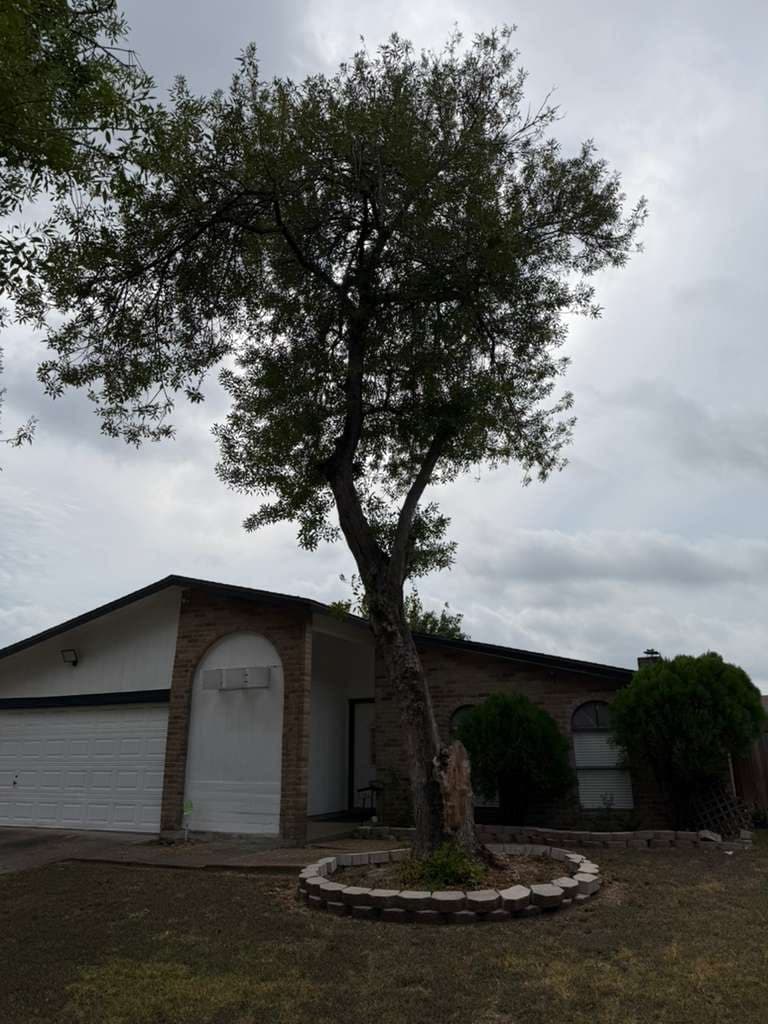
If the culprit is a tree casting heavy shade or roots running through the surface, that is worth sorting out first — it is often a trimming or removal question rather than a lawn question.
3. Grade the surface
Level the area and set the fall so water runs away from the house. Fix low spots now; once sod is down, they are puddles you cannot regrade without lifting it.
4. Loosen and top the soil
Break up compaction and add topsoil so new roots have somewhere to go instead of sitting on a hard pan.
5. Lay the sod tight
Pieces go down staggered, like brickwork, pressed together with no gaps. Gaps dry out at the edges, and that is exactly where a new lawn browns first.
6. Water it properly from day one
New sod has to stay consistently damp while it roots. This is the single most common reason a sod job fails, and it is the part that happens after we leave — so it is worth being clear about before we start.
Then keep it
A new lawn is not finished the day it is laid. Mowing at the right height, clean edging and fresh mulch in the beds are what keep it looking like the day it went down.
Because we do both sides — tree work and lawn care — we can take out the tree that was shading the yard, grind the stump, prepare the ground and lay the sod without you lining up three different companies.
Ask for a free estimate or call (832) 989-8795, 7:00 AM to 7:00 PM.
Common Questions
Frequently Asked Questions
Is sod better than seed?
Not better — different. Sod gives you a finished lawn the day it goes down and takes hold quickly, which matters on slopes, in high-traffic areas and when you want the yard usable now. Seed costs less and suits large open areas where you can wait and keep traffic off. The right answer depends on the yard.
How soon can I walk on new sod?
Stay off it as much as you can while it roots. Light foot traffic to move a sprinkler is fine; letting kids and pets play on it straight away is what pulls the seams apart before the roots have caught.
Do I have to remove the old lawn first?
Yes. Sod laid over old dead grass roots into a failing layer instead of into soil. Stripping the old turf and preparing the ground is most of the work on a sod job and most of the reason it either takes or does not.
Do you handle the preparation, or just lay the sod?
We handle the whole thing — clearing, grading, soil prep and installation. We also do the mowing, edging and mulching afterward, so the same crew keeps the lawn once it is established.